
Periodontal Disease Treatment Maple Ridge | Westgate Dental & Implant Centre
Home » Periodontal Disease Treatment Maple Ridge | Westgate Dental & Implant Centre
Serving Maple Ridge and Surrounding Areas
Periodontal disease is a common oral health issue that impacts many Canadians. Among Canadian adults, 6% have lost all of their natural teeth, and approximately 21% of adults have moderate or severe gum disease.
At Westgate Dental & Implant Centre, taking care of your teeth and gums is our top priority. Our extensive periodontal disease treatment options are available for healthy gums and teeth. We provide personalized care with a dedicated dental team to ensure each patient receives the most effective treatment for their needs.
Understanding Periodontal Disease
Colonization by microbes and host immune responses causes this disease. A biofilm of gram-negative anaerobic bacteria on the teeth and gums is responsible for this condition. The immune system and pathogenic bacteria interact to destroy periodontal tissues.
Known as the “red complex,” several bacterial species are involved. These bacteria have several disease-promoting virulence factors:
- Fimbriae and Adhesins. These structures secure biofilm by helping bacteria stick to teeth and each other.
- Proteases. Enzymes like gingipains weaken gingival tissue and evade the immune response by degrading host proteins.
- Lipid A and Lipopolysaccharides (LPS). Bacterial cell wall components that stimulate extensive host immune system inflammation.
Stages of Periodontal Issues: From Gingivitis to Periodontitis
Bacterial plaque is a sticky film that forms on teeth. It is the principal cause of gingiva inflammation. Without treatment, plaque buildup can worsen and cause oral and systemic issues. It usually develops in two main phases:
- Gingivitis. Red, inflamed, and bleeding gums are the symptoms in its early stages. Plaque accumulation causes gingivitis, which can be reversed with proper oral hygiene and professional care. Patients with these early warning signs can learn more about gingivitis treatment before the condition progresses.
- Periodontitis. If untreated, gingivitis can lead to periodontitis. This stage involves gums pulling away from teeth and forming infected pockets. The infection triggers inflammation, which damages the gums.

The Systemic Impact of Periodontal Infection
This condition impacts your health beyond your teeth. When gum issues become severe periodontitis, inflammation can spread throughout the body. Here are some systemic health risks of untreated infection:
Implication | Details |
Cardiovascular Disease | When gum pathology bacteria enter the bloodstream, they cause inflammation and vessel damage, raising the risk of heart conditions, heart attack, and stroke. |
Diabetes | Can make blood sugar control harder, increasing the risk of type 2 diabetes. Patients with diabetes are more susceptible to infections, including gingiva disorder. |
Dementia | Recent studies have shown an association between gum disease and decreased cognitive function. Chronic inflammation from periodontitis may cause Alzheimer’s and other dementias. |
Pregnancy Complications | Increases the risk of preterm birth and low birth weight in pregnant women. Research also shows that gum ailment can delay conceiving. |
Rheumatoid Arthritis | Strongly linked to rheumatoid arthritis, suggesting that chronic gumline inflammation may worsen or cause joint inflammation. |
Head & Neck Cancer | A number of studies have linked periodontitis to different cancers. Head and neck cancer (HNC) is more likely to affect patients whose mouths are inflamed because the tumours often grow close to the mouth. |
How Periodontal Condition Can Go Unnoticed
It can be challenging to detect early periodontal disease because it often progresses without pain.
Professional dental cleaning and examination schedules are key to detecting early signs for prevention. Dentists at Westgate Dental & Implant Centre know how to spot the early warning signs of gum pathology and can help you stop it with periodontal treatments and tips for good oral hygiene practices.
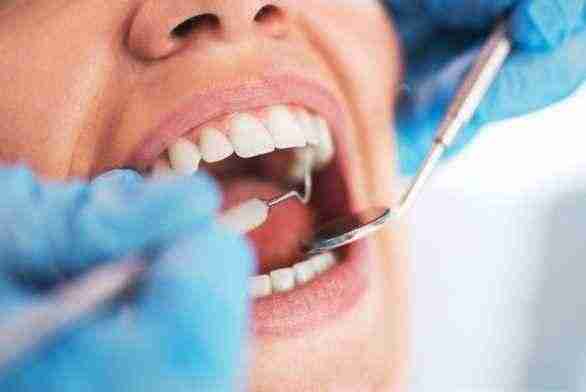
Gum Disease Treatment at Westgate Dental & Implant Centre
Diagnosis and Initial Assessment
- Reviewing Medical History. Your overall health and any underlying conditions that may affect gingiva ailment.
- Clinical Examination. Our general dentist closely inspects your mouth for plaque, oral tissue inflammation, and pocket formation.
- Pocket Depth Measurement. A dental probe measures the depth of spaces between teeth and gums.
- Dental X-rays. Examine your teeth’s bone structure for periodontitis-related bone loss.
Non-surgical Treatment Options
- Scaling and Root Planing (Deep Cleaning). This procedure includes removing plaque and tartar from below and above the gumline. Smoothing the root surfaces removes bacterial toxins. A series of appointments may be necessary for a thorough cleaning under local anesthesia.
- Antibiotic Therapy. When bacteria cause issues, a doctor may prescribe antibiotics to kill those bacteria. These can be applied topically to infected gum pockets or taken orally.
Surgical intervention in more severe cases may be needed to treat gum disease risk factors.
Surgical Treatments
Pocket Reduction or Flap Surgery
This procedure requires folding back the gum tissue to clean the area and smooth out any rough spots on the bone. Repositioning the gums so they fit closely around the teeth reduces the depth of the pockets and the number of places where harmful bacteria can grow.
Gingival Grafting
In cases of extensive gumline recession, it may be necessary to transplant healthy tissue from another part of the mouth to cover the affected area. This strengthens gums, protects from tooth loss, and improves appearance.
Bone Grafting and Guided Tissue Regeneration
These procedures restore the jawbone and gums around a patient’s teeth. You can use your own bone, a donor’s, or even synthetic materials for your bone graft. Guided tissue regeneration encourages bone growth by placing a membrane between the gums and bones.
Application of Tissue-Stimulating Proteins
Proteins stimulate the body’s natural ability to regenerate bone and tissue, speeding healing and improving treatment outcomes. This helps mitigate advanced gum disease.
Platelet-Rich Plasma (PRP)
PRP can regrow bone and oral tissue. Your dentist takes platelet-rich plasma from your blood and applies it to deficient areas to promote bone growth.
Gingival Maintenance
Prompt medical attention is required to stop the infection and prevent permanent damage.
- Take care of your gingival health after treatment to avoid recurrence.
- Westgate Dental & Implant Centre’s dentists in Maple Ridge will assess your gum risk and develop a personalized maintenance plan.
- We recommend regular follow-up appointments for optimal long-term results (usually every 3 to 6 months).
- Our dentist or periodontist will clean your teeth and closely monitor your oral health during these visits.
It is manageable with a balanced diet rich in minerals, especially vitamin C and calcium. Also important is avoiding sugary foods and drinks that build plaque. Our team can offer oral health-specific nutrition advice.

Take Control of Your Oral Health Today
Westgate Dental & Implant Centre provides high-quality periodontal care using the latest equipment and techniques. Our knowledgeable and caring dental hygienist will guide you from consultation to post-treatment follow-up to ensure a positive and comfortable experience.
Don’t wait until it’s too late. Contact us immediately to set up an appointment and begin improving your oral and general health.
Frequently Asked Questions
How do I know if I have periodontal disease, and what symptoms are the first to appear?
Early warning symptoms of infections include:
- bleeding or swollen gums
- bad breath
- tender gums
Other symptoms you may observe include reddening or gum recession that may cause loose teeth. Seeing a dentist or dental hygienist as soon as possible after experiencing these symptoms is crucial for preventing advanced periodontitis.
How does heredity factor into periodontal disease?
Your genes can affect your chances of having the disease. Even with good oral hygiene, family history can increase the risk of gingiva disorder. Manage this risk with regular dental checkups and proactive care. At Westgate Dental & Implant Centre, we can tailor a preventive plan for you.
What is the typical recovery time after periodontal surgery?
Patient recovery time after periodontal surgery depends on the procedure and healing factors. Initial healing usually takes a few days to a week, but the gums and surrounding tissues may take several weeks to recover fully. Our dentists will give you detailed aftercare instructions and schedule follow-ups to track your progress.